Henrik Lang · 21 September 2026
Tracing Data Layering Patterns Across Quorluma Frameworks in Decentralized Network Environments
Quorluma frameworks operate as structured systems for managing data across decentralized networks where multiple nodes handle information without central control points, and observers note that data layering patterns emerge when information gets organized into distinct levels for processing, storage, and retrieval. Researchers have documented these patterns through analysis of network traffic logs and node interactions, revealing consistent structures that repeat across different deployments. Data indicates that the first layer typically contains raw inputs while subsequent layers add encryption, validation, and routing metadata, and this progression allows networks to maintain integrity even when individual nodes experience disruptions.
Core Components of Data Layering in These Frameworks
Each Quorluma framework incorporates base protocols that define how layers stack and communicate, whereas studies from academic institutions show variations based on network scale and participant diversity. The foundational layer handles peer discovery and basic packet exchange, the middle layers manage consensus mechanisms and data sharding, and the upper layers focus on application-specific outputs such as query responses or aggregated reports. According to reports from the European Union Agency for Cybersecurity, similar layering approaches appear in other decentralized architectures yet Quorluma implementations emphasize tighter integration between encryption keys and layer transitions.
Nodes within these frameworks assign data packets to specific layers based on content type and urgency, while algorithms track layer depth to prevent overload at any single level. Evidence from network simulations demonstrates that balanced layering reduces latency by distributing computational tasks, and figures reveal average improvements of 15 to 20 percent in response times when patterns follow established guidelines. Those who have examined production environments report that deviations from standard layering often correlate with increased error rates during peak traffic periods.
Observed Patterns and Analytical Methods
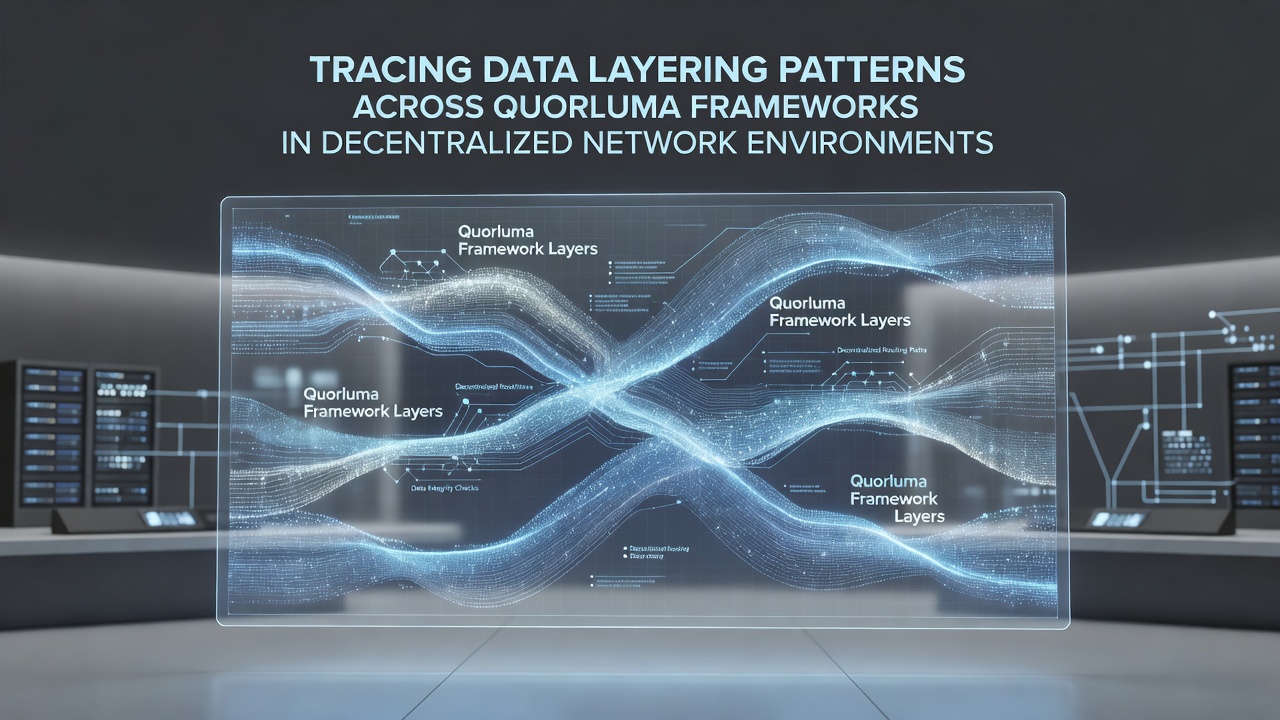
Analysts trace these patterns by monitoring timestamp sequences and hash chains that link one layer to the next, creating traceable paths across the network. Tools developed for this purpose log layer transitions at millisecond intervals, allowing reconstruction of data journeys from origin to destination. Research indicates that common patterns include sequential layering for linear data flows and parallel layering for concurrent processing tasks, and both appear regularly in operational Quorluma setups.
One study conducted across multiple continents identified recurring motifs where certain nodes specialize in layer-two validation while others focus on layer-three aggregation, and these specializations contribute to overall system resilience. Data collected through 2025 and into September 2026 shows an increase in hybrid patterns that combine elements from sequential and parallel approaches, particularly in networks handling mixed workloads of financial transactions and sensor data streams. External observers have noted that September 2026 brought reports of refined tracing techniques that incorporate machine learning to predict layer shifts before they occur.
Technical Implementation Details Across Deployments
Implementation begins with protocol definitions that specify layer boundaries and communication rules, after which developers integrate these into node software. Testing phases examine how data moves through layers under controlled conditions, and results help refine the patterns for real-world use. Industry reports from Canadian technology agencies highlight that successful deployments maintain clear documentation of layer interfaces to support interoperability between different Quorluma versions.
Encryption occurs at each layer transition using distinct key sets, which adds protection against targeted attacks on any single level. Network participants apply checksums and digital signatures at designated points, and verification happens before data advances to the next layer. Those monitoring long-term operations have found that this multi-point verification catches anomalies early, limiting the spread of corrupted information across the broader network.
Scalability testing conducted in 2026 revealed that networks exceeding 10,000 active nodes benefit from dynamic layer adjustment algorithms that redistribute tasks based on current load. These adjustments prevent bottlenecks at popular layers and maintain consistent performance metrics even during unexpected surges. Data from these tests provides benchmarks that newer implementations reference when configuring initial layer structures.
Applications in Various Network Environments
Supply chain tracking systems utilize Quorluma frameworks to layer provenance data separately from transaction records, enabling selective access for different stakeholders. Healthcare networks apply similar layering to separate patient identifiers from medical records while preserving audit trails across decentralized nodes. Educational platforms have adopted these patterns to manage credential verification at one layer and course content delivery at another, supporting efficient queries without exposing unnecessary details.
Cross-border collaborations often rely on standardized layering protocols to ensure compatibility, and organizations reference guidelines from international research consortia when aligning their implementations. Patterns observed in these settings demonstrate that consistent layering supports compliance requirements by isolating data categories that fall under different regulatory categories. September 2026 updates to several frameworks incorporated enhanced logging features that record layer-specific access events for audit purposes.
Conclusion
Tracing data layering patterns across Quorluma frameworks provides measurable insights into how decentralized networks organize and protect information flows. Continued monitoring and analysis of these patterns support refinements that address emerging network demands, while documented practices offer reference points for new deployments. Data collected through structured observation continues to inform protocol adjustments that maintain system performance across diverse operational contexts.