Henrik Lang · 7 September 2026
The Subtle Mechanics of Sustaining Visibility for Standalone Digital Platforms Through Layered Content Cycles
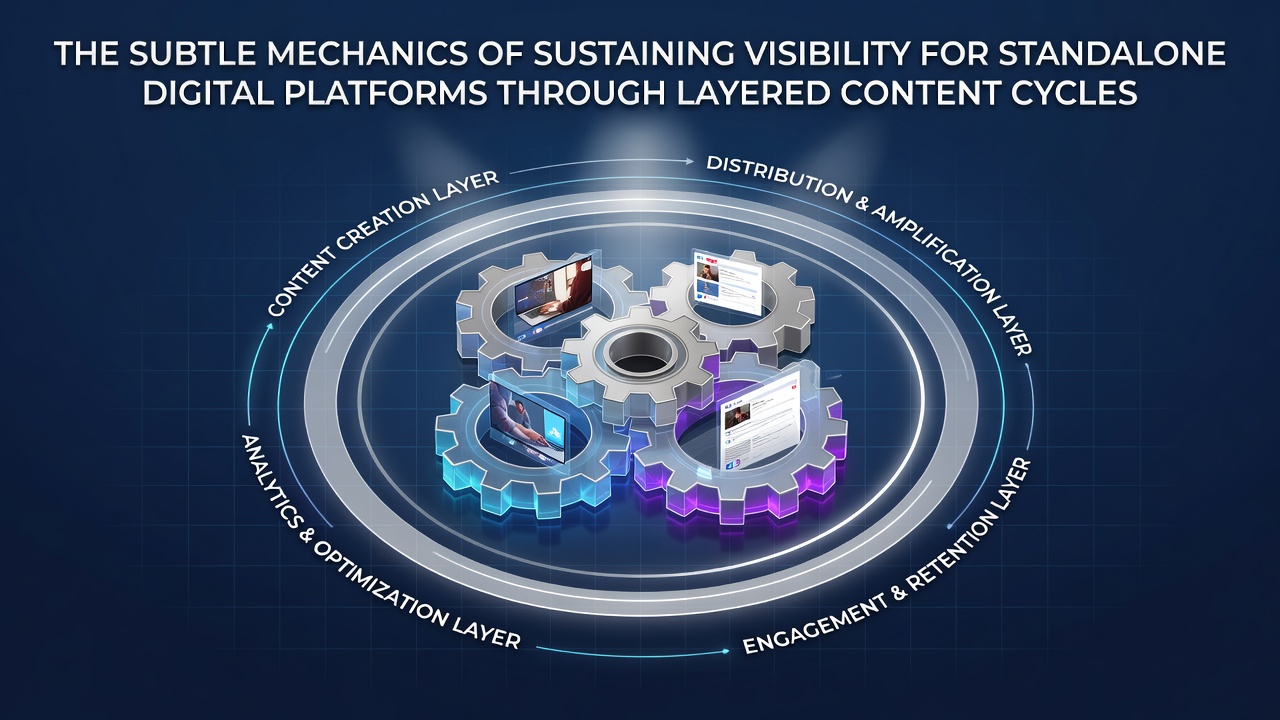
Standalone digital platforms maintain visibility through structured approaches that combine multiple content layers operating on staggered timelines, and researchers have documented how these systems create sustained exposure without relying on single high-volume releases. The process begins with a foundational layer of evergreen material that addresses core user needs while subsequent layers add timely updates, interactive elements, and community contributions that refresh algorithmic signals at regular intervals. Observers note that platforms applying this method often experience steadier referral traffic because search engines and recommendation systems detect consistent activity rather than sporadic bursts.
Core Components of Layered Cycles
Each cycle consists of three primary strata that function together, and experts describe the base stratum as stable reference content that answers recurring queries while the middle stratum introduces scheduled revisions such as data refreshes or expanded examples every quarter. The outer stratum incorporates user-generated additions and short-form responses that accumulate daily signals, and data from multiple platform audits show these additions improve crawl frequency when they link back to deeper resources. Those who manage independent sites report that aligning revision dates across strata reduces overlap while maximizing the period during which fresh material appears in results pages.
Content calendars for these cycles typically span twelve to eighteen months, and analysts at research institutions have tracked how platforms that publish revision logs alongside new material strengthen perceived authority. In September 2026 several independent sites recorded measurable gains in domain authority metrics after implementing synchronized update schedules that coincided with industry reporting periods from government statistical agencies. This coordination allowed the middle layer to reference newly released figures without requiring complete rewrites of the base content.
Algorithmic and Distribution Effects
Search and recommendation algorithms respond to signals of ongoing relevance, and studies from academic centers indicate that layered cycles produce more consistent indexing patterns than one-off campaigns. The base layer secures initial rankings while middle-layer revisions trigger re-evaluation crawls that can lift related pages, and the outer layer supplies engagement metrics that influence personalized distribution. Platforms that maintain public update histories enable external observers to verify activity patterns, which in turn supports citation rates from other sites.

Distribution channels outside search also register effects, and figures released by the Australian Bureau of Statistics on digital content consumption reveal that sites releasing incremental updates retain higher referral shares from aggregator services. When outer-layer material includes embedded links to deeper resources, those referrals compound because each new contribution carries context from the stable base. European Commission reports on platform interoperability similarly note that consistent update cadences improve visibility within cross-service discovery tools because metadata remains current.
Measurement and Adjustment Practices
Platform operators track visibility through a combination of ranking position histories, referral source diversity, and engagement duration, and researchers have observed that layered cycles produce smoother trend lines rather than sharp peaks followed by declines. Adjustment occurs when middle-layer revisions incorporate performance data from the outer layer, allowing operators to expand successful topics without disrupting the base structure. One documented approach involves quarterly reviews that compare crawl logs against published revision dates to identify gaps in coverage.
Resource allocation follows predictable patterns once cycles are established, and industry analyses show that teams dedicating fixed percentages of effort to each stratum achieve more predictable output volumes. The base layer requires periodic audits for accuracy, the middle layer demands access to fresh data sources, and the outer layer benefits from streamlined submission tools that encourage participation. Platforms that publish guidelines for contributors reduce moderation overhead while preserving signal quality.
Integration With External Data Sources
Many cycles draw upon publicly available datasets to inform middle-layer revisions, and operators frequently reference statistical releases from bodies such as Statistics Canada or the U.S. National Telecommunications and Information Administration. These sources provide standardized metrics that platforms can incorporate without original research, and the resulting content gains additional credibility when citations appear in structured data markup. Academic repositories supply longer-cycle material for the base layer, allowing platforms to reference peer-reviewed findings that retain relevance across multiple update periods.
Conclusion
Layered content cycles represent a documented method for sustaining visibility on standalone platforms through coordinated activity across multiple content strata, and available evidence indicates that platforms maintaining these structures experience steadier performance across search and referral channels. Continued observation through 2026 and beyond will clarify how evolving distribution systems interact with these established patterns, yet current records already demonstrate measurable effects on indexing frequency and engagement consistency when cycles remain aligned.